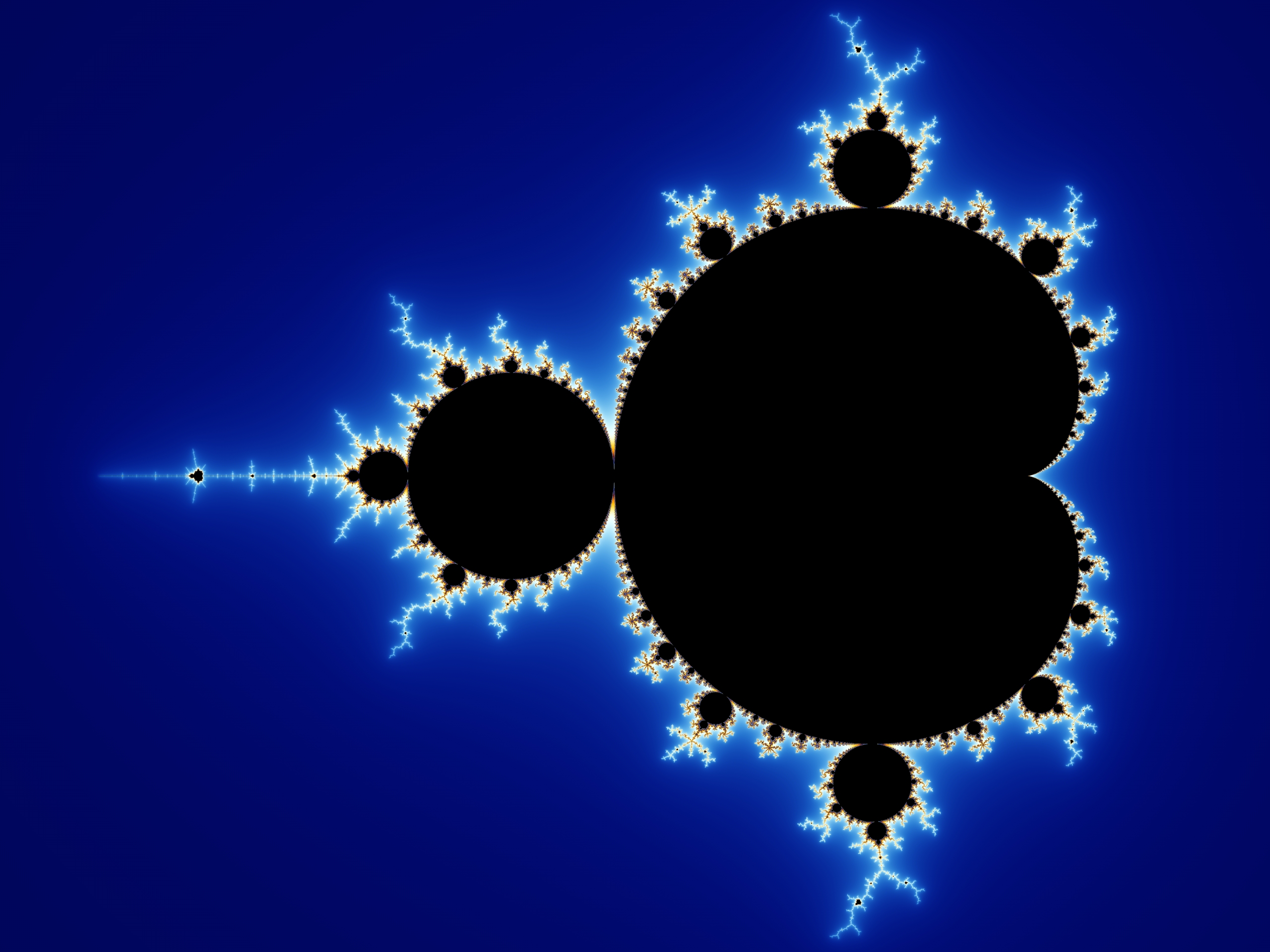
Created by Wolfgang Beyer with the program Ultra Fractal 3.There are also some great images on flickr from the New York Public Library, and LIFE magazine has posted amazing photos on Google.
Licensed by Creative Commons -
Showing posts with label math. Show all posts
Wednesday, December 17, 2008
Math Art: Fractals
Not really sure what fractals are - other than art created from math using computers. Click on image to see full size.

Wednesday, November 12, 2008
Sustainability and Green Issues
From the Keynote speaker at the 2008 NCSPOD , to the theme of the upcoming KCPDC Professional Development Conference in March (not to mention the election), environmental concerns are getting more attention.

Here's some links I've collected:
Thomas Friedman has written a book, Hot, Wet and Crowded. It's about the green revolution; here's the Daily Show interview. There's a quick video on electric cars and mileage that could be great for teaching math skills and applying it to students' lives - deep learning. The effect of climate change and the lack of sustainability -one in four mammals facing extinction - interest to biology teachers. How to do more with less: packaging idea to reduce waste. A how-to describing a process to convert an old pizza oven, an ink jet printer and nail polish remover into a Solar Cell (from NPR),A Call for Input
Who would you recommend to deliver a keynote on the environment (going green or doing more with less)? We want someone engaging who can address green issues - or doing more with less. Johannes Feddema, a KU professor and climatologist, has been recommended by a colleague, and I just heard an interview with him on NPR (11-12-8 at 7am). Post suggestions to the comments.Monday, July 7, 2008
Web resources with a Math/ Science / Technology (MST) focus.
The web has a wealth of material to support teaching of the sciences. Youtube offers many, but the problem with youtube is that it isn’t easy to find relevant, quality, content. Luckily Open Culture has done that recently. You can also find resources through our social bookmarking site and at http://del.icio.us/gdixon/math.
Primarily MST resources
- A basic skills math podcast that connects everyday life to math concepts. This has potential for learning communities http://www.mathgrad.com/shownotes.html
- Pedagogy in Action, a site by the Science Education Research Center of Carlton College, has a wealth of resources for teachers, particularly science teachers. http://serc.carleton.edu/sp/index.html
- For Chemistry videos, check out http://www.kentchemistry.com/KentsDemos.htm
- MIT provides a great number of resources through its open courseware initiative.
- The Indian Institute of Technology and The Indian Institute of Science provide solid content.
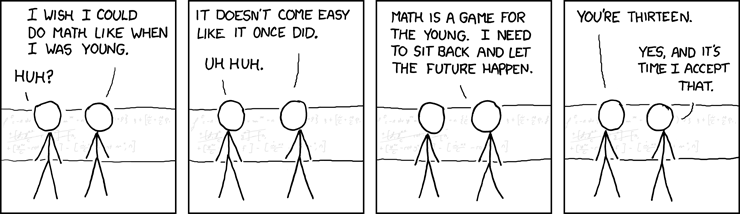
- xkcd, a webcomic, posts comics related to math.
Wide variety of subject interests - Sciences and Humanities
Many universities and an increasing number of community colleges are making course content available free online. Generally, these schools consider sharing content to be a community service.
- The University of Pennsylvania has a 60 second lecture series on a wide variety of topics including chemistry, physics, history, psychology, women’s studies and more. They have some big names. . I stumbled upon it through the presentation by Labov – a giant in linguistics. Because the format is around a minute long – it requires subject experts to summarize, which is an invaluable tool for effective teaching.
- Uchannel, associated with Princeton, aggregates (collects) feeds from many quality institutions.
- UC Berkeley has pioneered the use of YouTube to deliver content.
Subscribe to:
Posts (Atom)