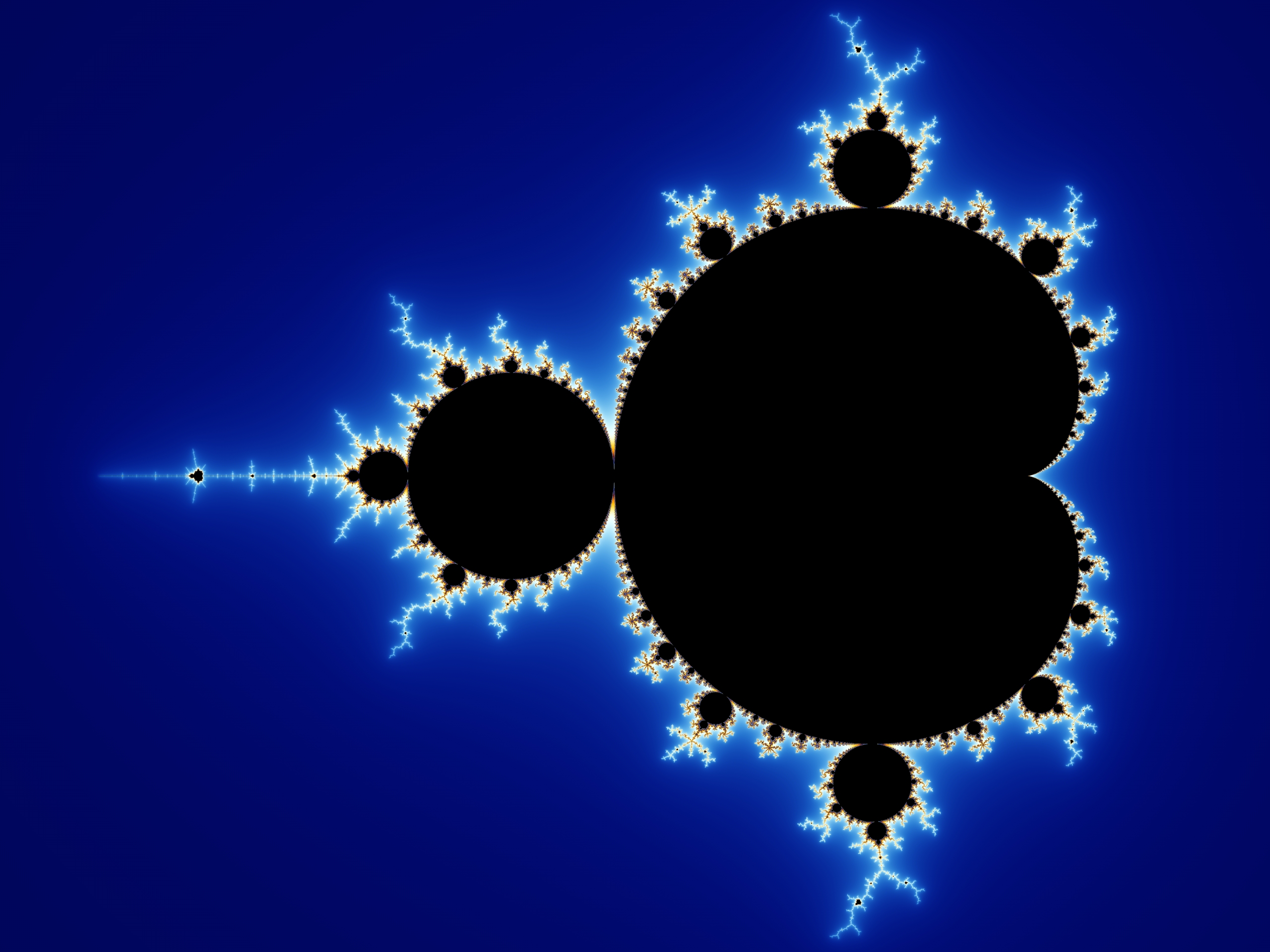
Created by Wolfgang Beyer with the program Ultra Fractal 3.There are also some great images on flickr from the New York Public Library, and LIFE magazine has posted amazing photos on Google.
Licensed by Creative Commons -
Created by Wolfgang Beyer with the program Ultra Fractal 3.There are also some great images on flickr from the New York Public Library, and LIFE magazine has posted amazing photos on Google.
Licensed by Creative Commons -

 The physical descriptions of characters intrigues me - men seem to be described initially, but the initial lack of description of the female characters might mean something. Halfway through it I've finally gotten a description of Mari, but not really of her sister. Eri, the model, maybe needs no description because Japanese and Chinese models fit a type: tall and willowy of stature, with higher-bridged and more angular noses, and lacking the epicanthic fold. The mind wandered to how class and status define "beauty" and how the genders see differently. Ethnic groups see differently too. Japanese readers see something exotic in Denny's, the way someone from Kansas might find a Teppanyaki house.
 700 lbs - so it says.
Our campus community has an impressive online video presence.
In fact, in the most recent online video to go "viral," you can see a Fort Hays debate coach lose it and moon for rebuttal. One of our own acts as the voice of reason and calm. You may have seen it on network news. YouTube pulled the video, but it's up on Live Leak, viewable at Boing Boing (It is intense - contains very coarse language and, as I said, an exposed rear-end).
The Strawberry Fields Community Garden Project, produced by the school's economics club in conjunction with the Strawberry Hill Home association, shows community involvement and applied, active learning. It features Dr. Medhi Shariati, as well as several students you see in the halls or in class. It's the featured video this week to your right.
The music department represents us with class through many videos of the Blues Devils. Different musicians and musical genres show up. Sometimes the camera is on a tripod, and sometimes on the shoulder of someone in the back of the audience, but the obvious sense of fun makes them worth checking out.
The track team also shares video to assess and improve performance.
See the growing list of examples of our excellence at the forefront of online shared video.
 The Value of Goals
Judging from initial feedback, the 2008 Summer Institute on Course Redesign succeeded rousingly, and expectations were high due to faculty interest in pedagogy and the renown of the speakers (see Team-based Learning website and books published).
Dr. Dee Fink challenged us to imagine our ideal class: bright, engaged and motivated. What would you want these students to be able to do after the class-in life? At the right we have the aggregated responses.
They asserted that curriculum design won’t work if you don’t know your outcome, what you want students to do at the end of the course. This allows for backwards design and makes choosing learning activities easier. This likewise facilitates the assessment of learning.
I wonder how past and present colleagues (particularly in the humanities) feel about setting goals and measuring our own success in promoting student learning (individually – not in any comparative sense. Let’s not digress into NCLB. Please take a minute and do the survey to the right - a quick and anonymous assessment itself).
Some think of teaching as an art and resist the idea of intentionality in creation. My mother, the artist and art history teacher, used to point out that great artists were well-trained. Also, the Latin root for "art" gives us also artifice, artificial, etc. Artists make the difficult look deceptively easy.
A final note: the conclusions of recent empirical research on Latino Students published in Excelencia in Education call for "short-term measures of academic progress to guide improvement in curricula instruction, and support services for Latino students."


 Posts
All Comments
Posts
All Comments